In 2020, the days of the Phallophone were coming to an end. I could see the needs for a new direction.
The Fryprone is an electronic instrument designed for versatility, adaptability, and accessibility. Constructed from lightweight aluminum, the instrument eschews plastics for aesthetic and practical reasons, prioritizing durability and portability. Its core is powered by an ESP32 microcontroller, chosen for its energy efficiency, compact footprint, and seamless Wi-Fi integration. These technical considerations make the Fryprone ideal for dynamic performance environments, where agility and reliability.
The Fryprone features 48 capacitive touch sensors arranged in three rows of 12 tiles, mapped to whole tones with the ability to access semitones through adjacent tile combinations. Each row functions as an independent voice, creating a rich matrix of possibilities for pitch and articulation. The interaction between the performer’s hands mirrors the dynamics of acoustic instruments, with the left hand focusing on pitch and the right hand—similar to a guitarist’s picking hand—controlling articulation. This nuanced approach allows for detailed expression, with parameters such as speed, finger placement, and contact area influencing articulation. The addition of accelerometers captures three-dimensional gestures, translating physical movements into sonic expressions and enhancing the audience’s perception of performance.
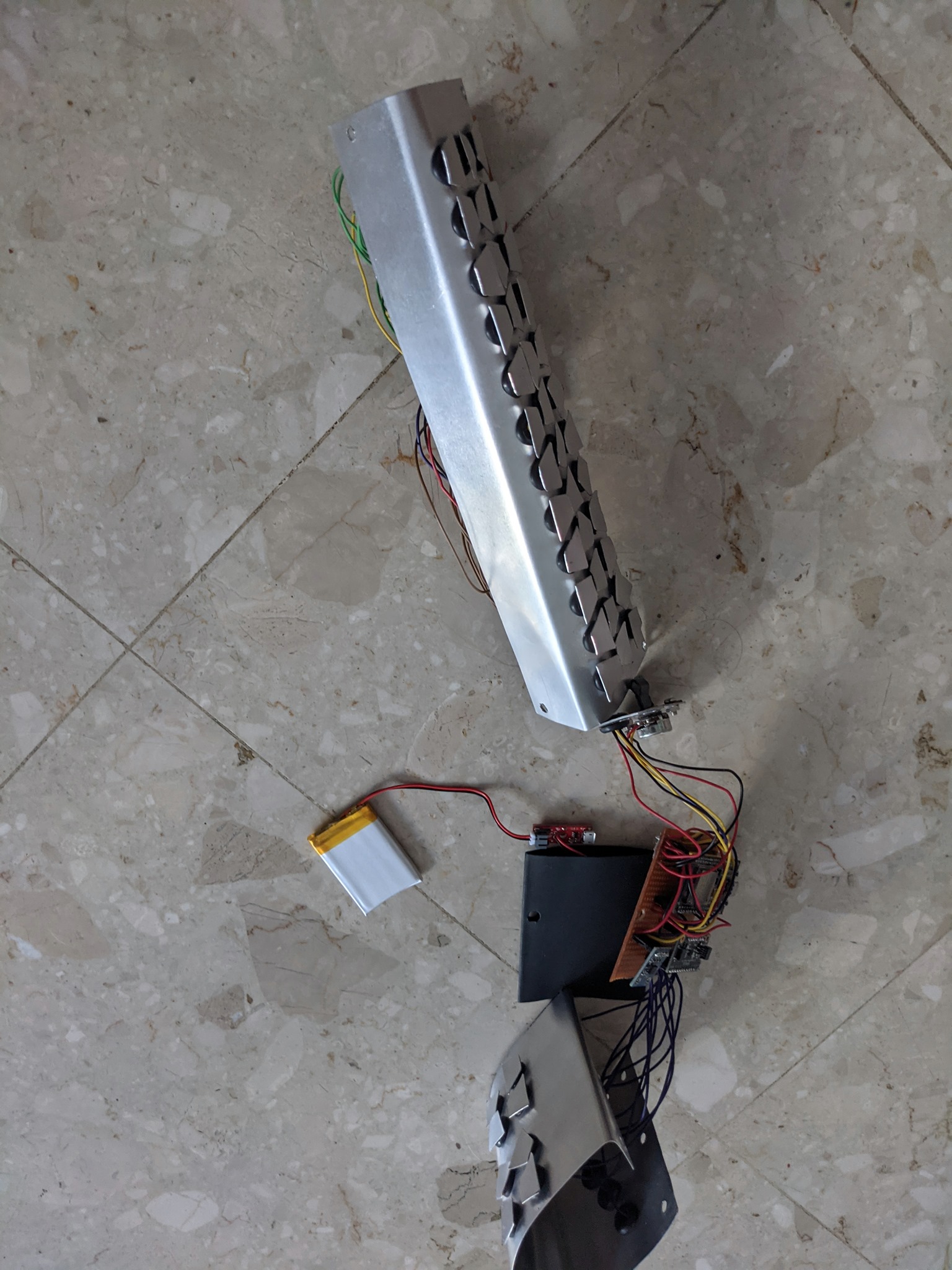
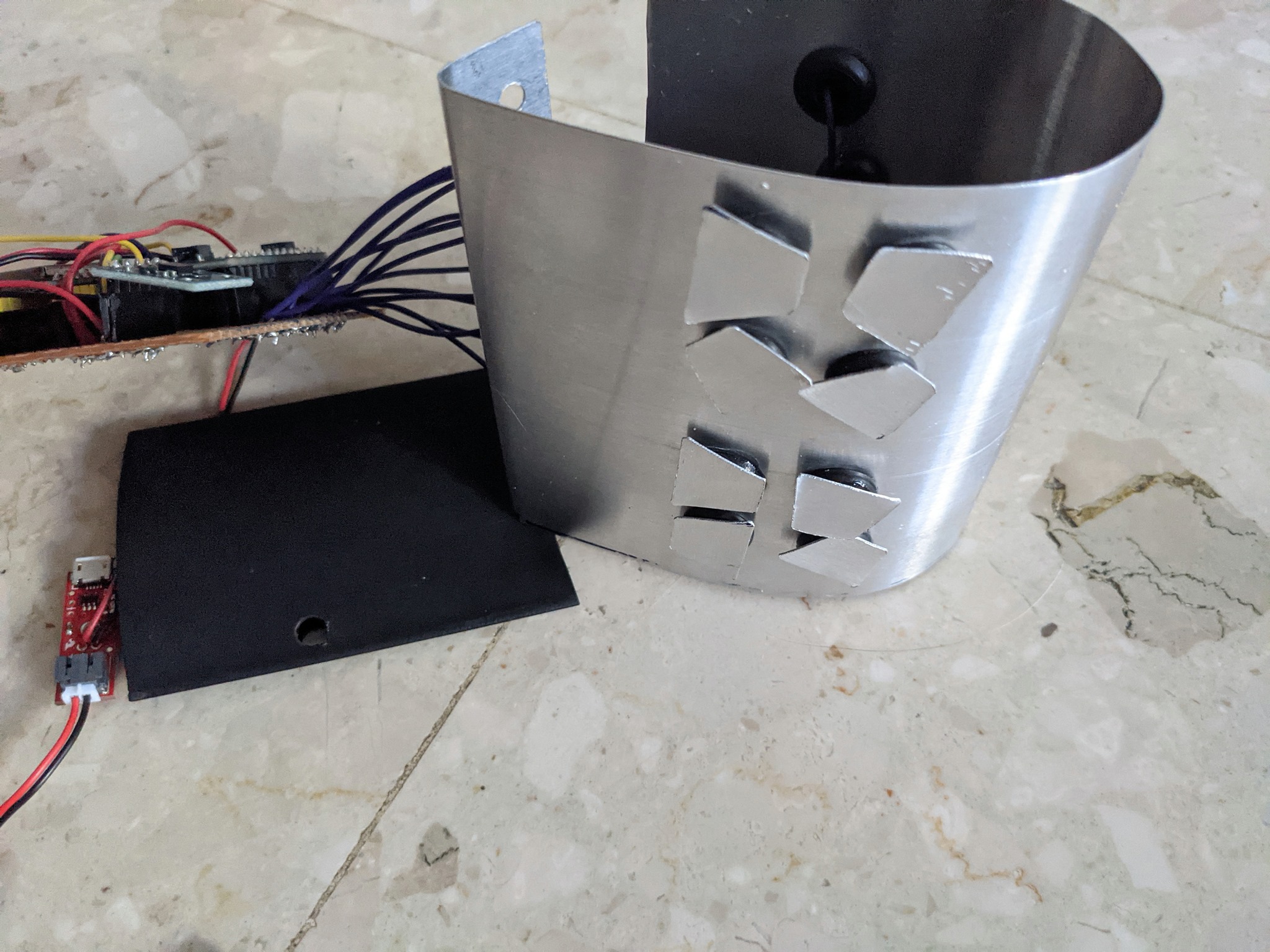
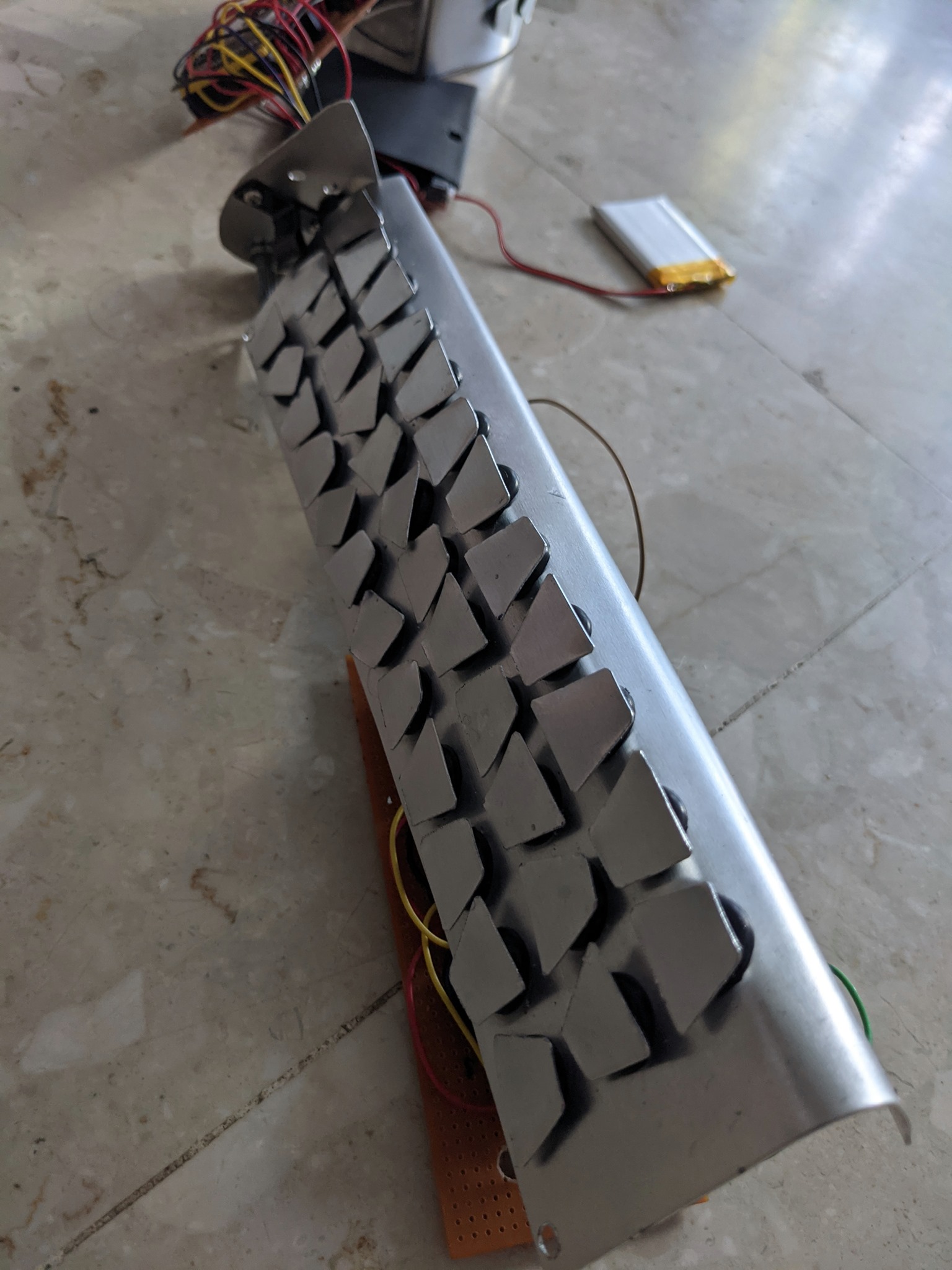
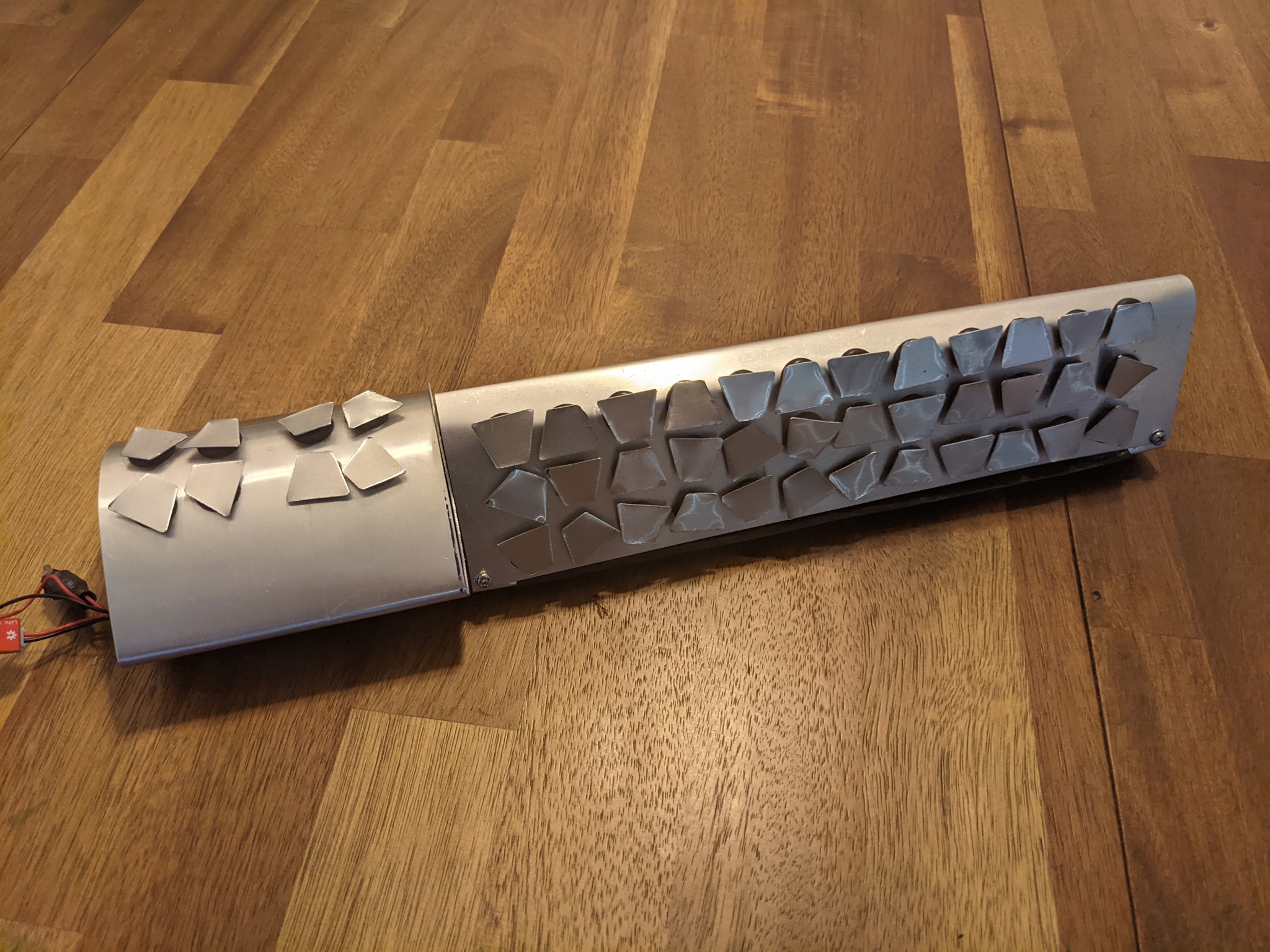
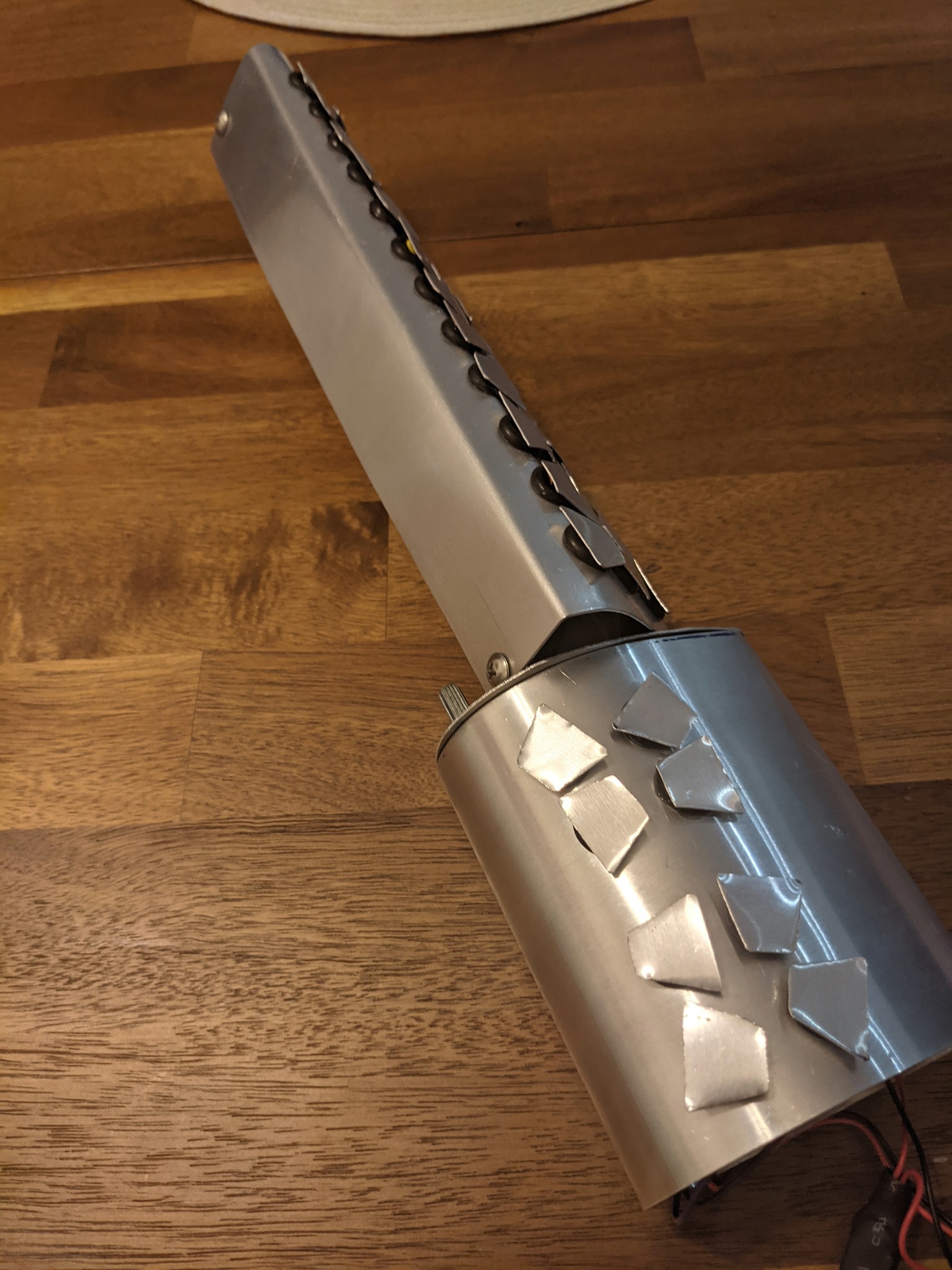
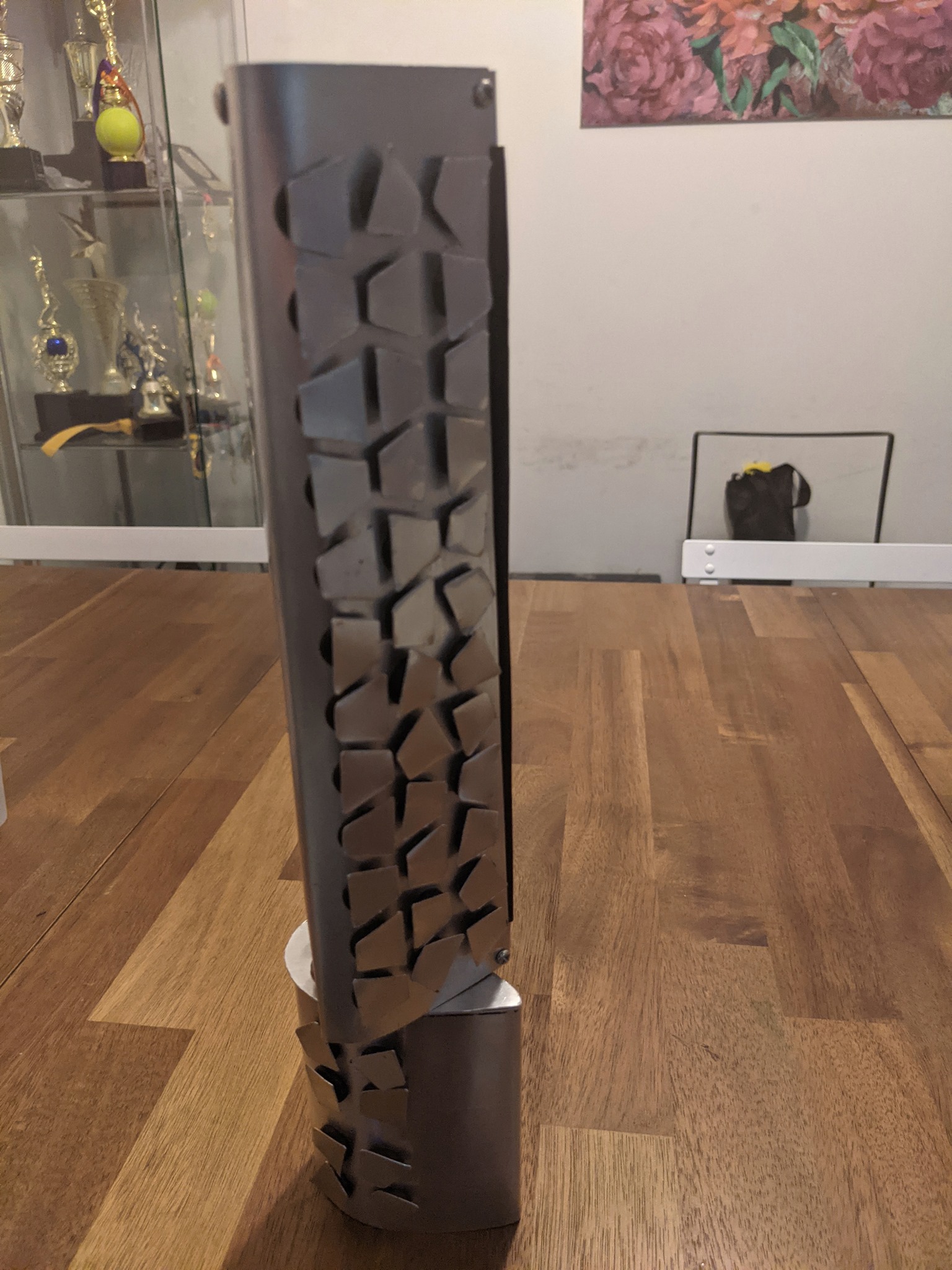

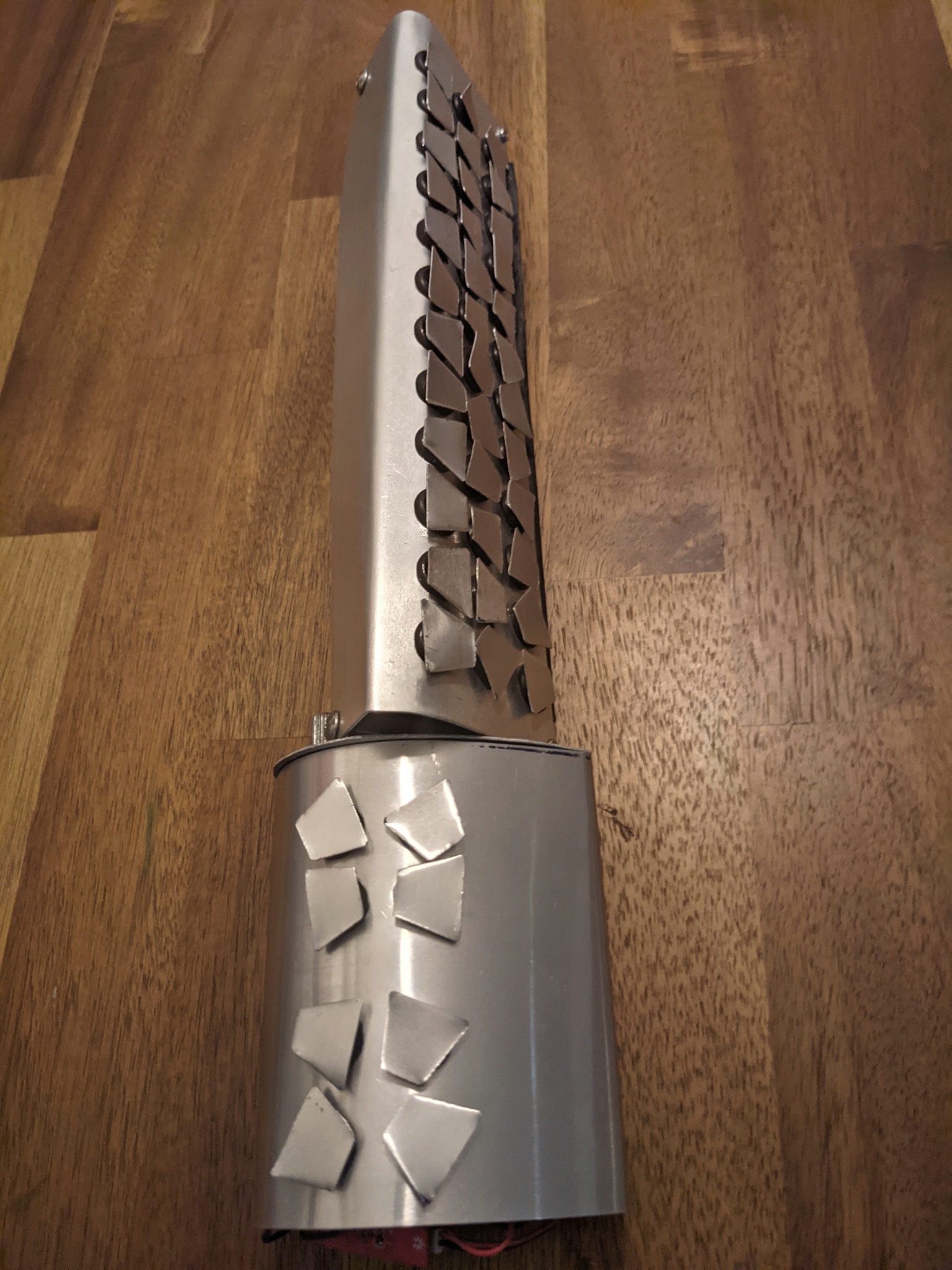
The instrument’s technical framework supports mono and multi-channel outputs, making it adaptable to traditional stereo setups and advanced immersive systems like ambisonics, d&b Soundscape, and L-ISA. This spatial adaptability expands the Fryprone’s role in both compositional and improvisational contexts, integrating spatiality as an expressive dimension. In telematic performances such as Telepaesants, the Fryprone’s capabilities in lighting and camera control further amplify its expressive potential, enabling phrase-based camera switching and discrete event-triggered lighting for seamless interdisciplinary collaboration.
The Fryprone’s design reflects an ongoing dialogue between acoustic tradition and electronic exploration. Concepts like harmonics and multiphonics are embedded into its behavior. For instance, harmonics are accessed via y-axis modulation with a modification key, while multiphonics emerge through gain and amplitude dynamics, mimicking the tactile immediacy of acoustic instruments. These qualities allow it to resonate with the agility and relational adaptability necessary for diverse performance settings.
The instrument symbolizes a practical yet expansive approach to instrument design, rooted in relational practice and material economy. It thrives on its capacity to traverse a wide spectrum of tonal, noisy, legato, and busy material, fitting seamlessly into diverse musical relationships. Its accessibility is further emphasized through its commitment to open-source principles, with CNC files for the aluminum body and software readily available for modification and expansion.Looking forward, the Fryprone’s development continues to evolve. Future iterations will introduce a central joint for greater modularity and expanded sensor capabilities. The Fryprone has been integral to key works such as Images of Ascension, the duo Davilakn, and the telematic collaboration Telepaesants. Through these projects, the instrument has demonstrated its ability to anchor performances that traverse disciplines, geographies, and sonic landscapes.
NOTE: Octave references
ocatve 0 = Ab-1 – Ab1
octave 1 = Ab1 – Ab2
octave 2 = Gb2 – Gb3
octave 3 = E3 – E4
octave 4 = E4 – D5
octave 5 = C5 – C6
octave 6 = Bb5 – Bb6
octave 7 = Bb6 – Bb7
 Dirk Johan Stromberg
Leave a comment