Improvisor | E-Luthier | Live Production Experiences
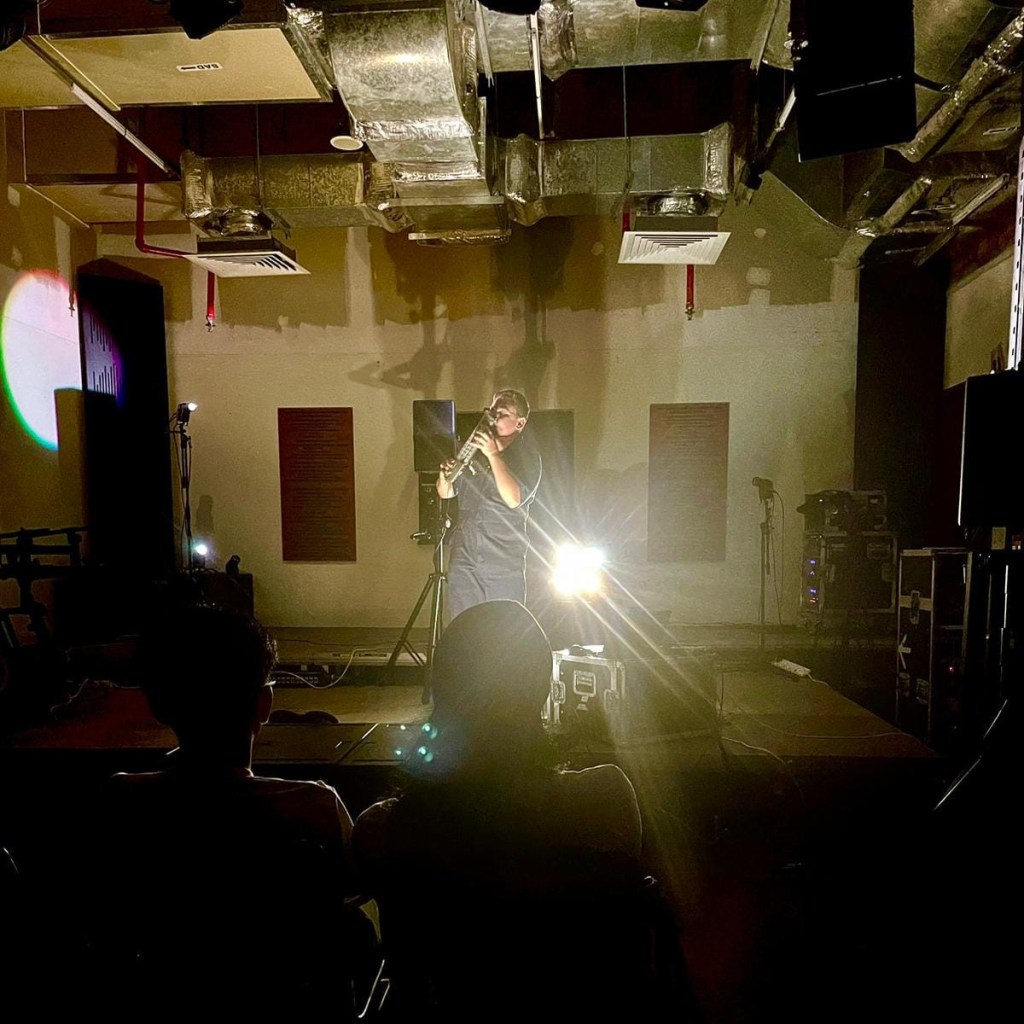
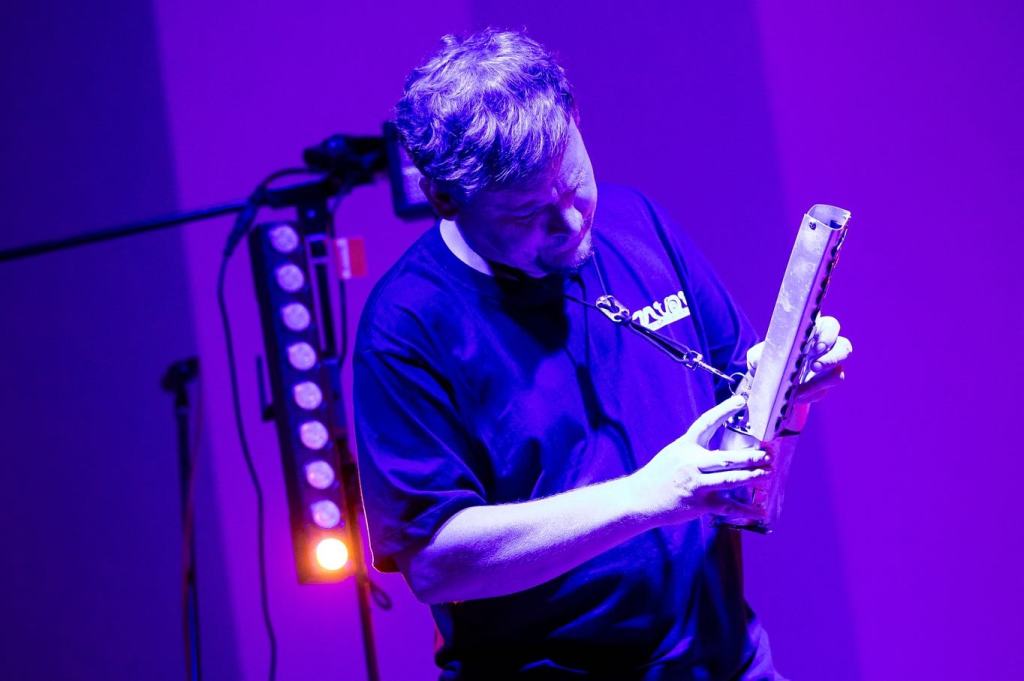
Dirk Stromberg is a multidisciplinary artist whose work spans free improvisation, instrument-making, and live production. Active across Asia, Europe, North America, and Australia, he creates immersive performances and innovative instruments like the Fryprone. As a Senior Lecturer at LASALLE College of the Arts, he mentor students in production and performance.
His approach to music, improvisation, and instrument-making is rooted in the belief that artistic expression thrives through continuous exploration and relational understanding. Central to this philosophy is the idea that the materials he works with—whether sound, physical gestures, or technical processes—are not static but are constantly evolving and interacting in dynamic ways. Through performance, improvisation, and instrument design, he seeks to engage with these materials in ways that are not just spontaneous, but informed by an internalized process that continuously adapts and refines itself.
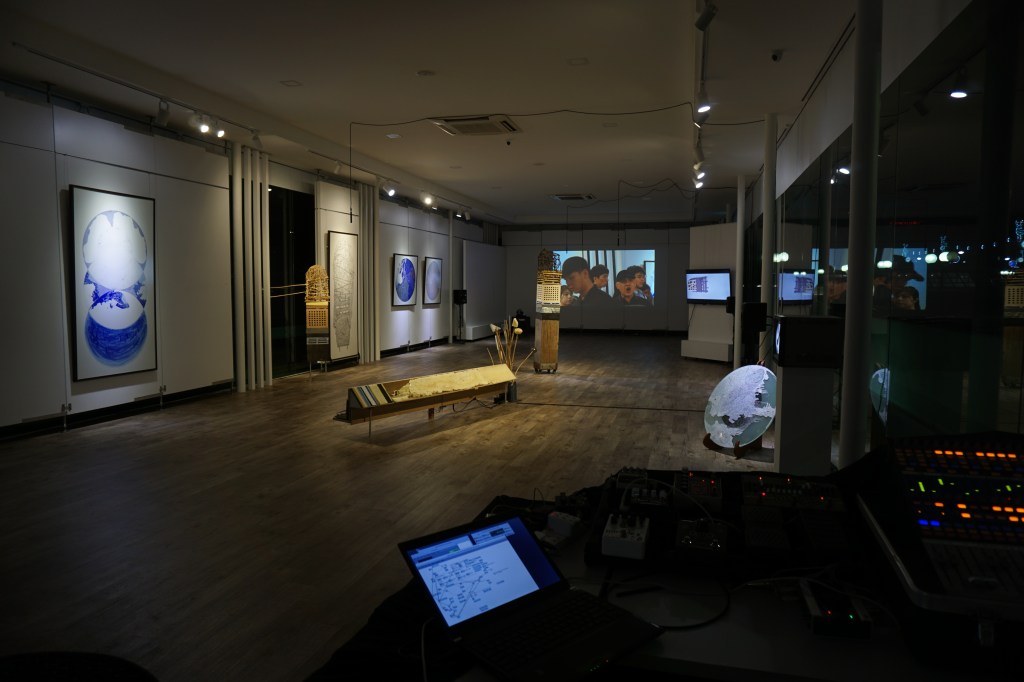
As an artist, he aims to foster collaborative environments where flexibility and mutual respect allow for organic growth. The process of collaboration should be about shared discovery, without the constraints of fixed expectations. This mindset has shaped my long-term relationships with collaborators, particularly in projects like Telepaesants, where technical and aesthetic aspects of performance are explored and expanded through collective input. These collaborations have pushed the boundaries of performance, blending multiple media—video, projection, lighting, and sound—into a cohesive and immersive experience that engages both the performers and the audience in new and dynamic ways. The integration of these elements has allowed for a more nuanced approach to performance, where the use of technology becomes a way of enhancing the human experience rather than detracting from it.
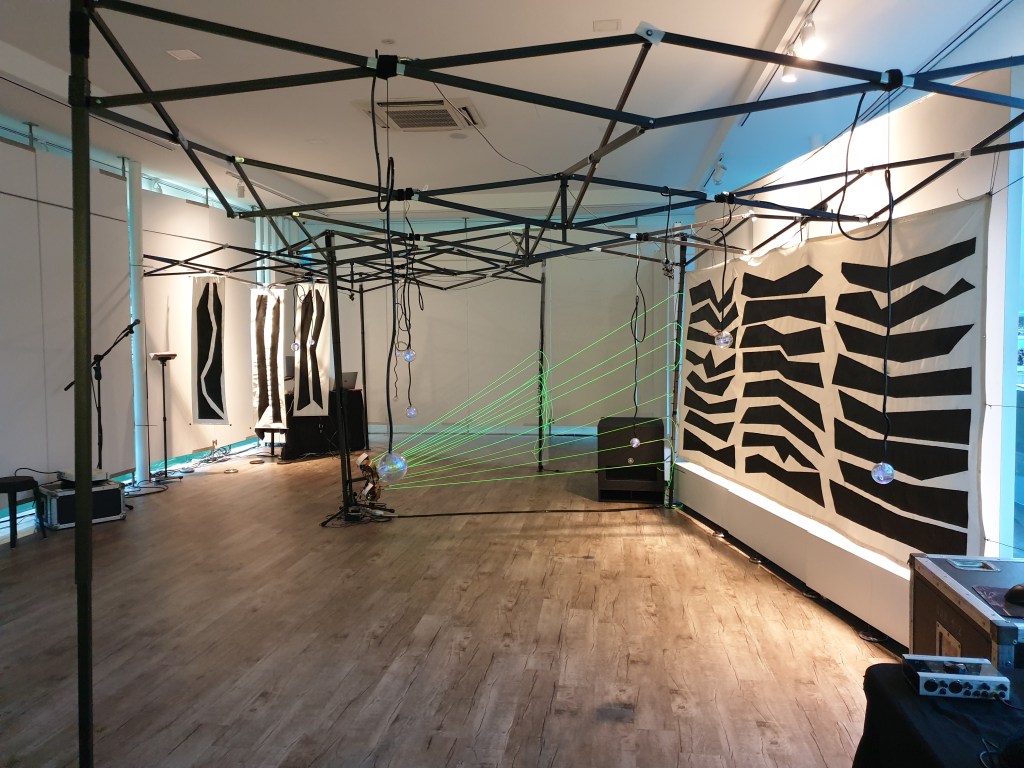
At the heart of his work is a commitment to iterative development. Each performance, whether on stage or in the studio, is an opportunity to refine ideas, to confront imperfections, and to embrace new possibilities. This mindset has been critical in his work, especially in the context of instrument development, where early iterations often lead to unexpected sonic discoveries. The growth of his instruments and performances over time reflects this process, with each new iteration revealing a more refined understanding of the relationships between sound, gesture, and technology. As his practice continues to evolve, key moments and projects have shaped my artistic direction. The early improvisational work with Islak Kopek, for instance, was foundational in developing my approach to group dynamics and improvisational aesthetics. Similarly, the project Time:space marked a significant turning point in integrating software, systems, and instrument design into a unified creative practice. Projects like Images of Ascension have further solidified his belief in the importance of collaboration, where the material itself becomes a catalyst for growth and new possibilities. Through these projects, he has developed an increasingly nuanced understanding of how technology, collaboration, and improvisation can intersect to create dynamic and immersive performances that continually expand the boundaries of what is possible in live music.